What Is Group Counseling?
Group counseling involves 6-12 individuals meeting regularly under licensed clinician guidance to work on recovery issues. Unlike peer-led self-help groups, clinical groups use evidence-based techniques to guide therapeutic processes. Types include psychoeducational (teaching about addiction), process (exploring emotions and relationships), skills-based (developing specific competencies), and support groups. The therapeutic power stems from Yalom's identified factors: universality, altruism, hope instillation, interpersonal learning, cohesion, and catharsis.
The development of group counseling reflects decades of clinical research and practical experience in the addiction treatment field. As understanding of substance use disorders has evolved from a moral failing model to a chronic brain disease model, treatment approaches have become more sophisticated, evidence-based, and person-centered. This particular modality exemplifies that evolution, incorporating the best available science with compassionate, individualized care delivery.
Access to group counseling has expanded significantly in recent years, driven by insurance parity legislation, increased public awareness, reduced stigma, and the growing recognition that addiction treatment is a healthcare necessity rather than a luxury. Programs are now available in diverse settings across the country, from major metropolitan centers to rural communities, and many have adapted to include telehealth components that further increase accessibility.
Who Benefits from Group Counseling?
Group Counseling is recommended for virtually everyone in recovery — group therapy directly addresses addiction's fundamental disconnection from self, others, and meaning; those feeling isolated benefit from immediate community; people needing interpersonal skill practice find the group a safe social laboratory; and those minimizing addiction severity face gentle peer accountability.
This approach has shown effectiveness across diverse populations and can be adapted to individual needs, preferences, and circumstances. Clinicians use standardized assessment tools — including the American Society of Addiction Medicine (ASAM) criteria — to determine whether this level or type of care is appropriate for each individual. Factors considered include substance use severity, withdrawal risk, co-occurring medical and psychiatric conditions, recovery environment, relapse history, and personal motivation and readiness for change.
Those who engage actively in the treatment process and maintain open communication with their treatment team tend to achieve the best outcomes. However, the program is designed to meet individuals where they are, recognizing that motivation and engagement often develop and deepen over the course of treatment rather than being prerequisites for entry. The therapeutic relationship itself — built on trust, empathy, and collaboration — is one of the strongest predictors of positive treatment outcomes regardless of modality.
Family members and loved ones also benefit when their family member participates in this treatment approach. Addiction affects entire family systems, and effective treatment ripples outward, improving relationships, communication, trust, and overall family functioning. Many programs include family education and involvement components that support the recovery of the whole family unit.
What to Expect
Participants in group counseling can expect sessions of 60-90 minutes occurring daily in intensive settings or weekly in outpatient; orientation to confidentiality rules and group norms; varied formats including psychoeducational presentations, process exploration, skills practice, and role-play; and progressive participation from listening to contributing and eventually supporting newer members.
The treatment experience is guided by an individualized treatment plan developed collaboratively between the client and their clinical team. This plan identifies specific goals, therapeutic interventions, and milestones tailored to each person's unique needs, strengths, and circumstances. Treatment plans are living documents, regularly reviewed and updated to reflect progress, emerging needs, and changing goals throughout the course of care.
Throughout the treatment process, progress is assessed using standardized outcome measures, clinical observations, and client self-report. These data points help the treatment team make informed decisions about adjusting interventions, modifying goals, or transitioning to different care levels. Transparency about treatment progress helps clients see their growth and builds the self-efficacy needed for sustained recovery.
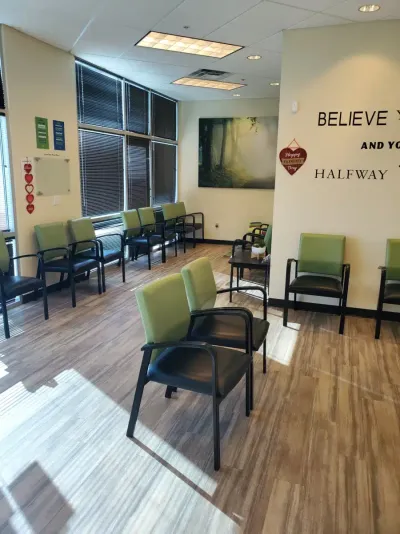
The treatment environment is designed to be supportive, respectful, and conducive to healing. Staff members are trained professionals committed to providing evidence-based care with compassion and cultural sensitivity. Confidentiality is maintained in accordance with federal regulations (42 CFR Part 2 and HIPAA), protecting clients' privacy throughout and after the treatment process. Questions and concerns are welcomed, and clients are encouraged to be active participants in their own recovery.
Discharge planning begins early in the treatment process, not as an afterthought. A comprehensive aftercare plan is developed to ensure continuity of care and ongoing support after formal treatment concludes. This plan typically includes referrals to continuing therapy, peer support group connections, medication management if applicable, and strategies for managing triggers, cravings, and high-risk situations in daily life.
Benefits and Evidence
JSAT meta-analysis of 24 studies: no significant differences between group and individual therapy outcomes, at substantially lower per-person cost. Group cohesion is among the strongest predictors of positive outcomes. Groups extend therapeutic reach — one therapist serves 8-12 clients simultaneously.
The evidence base continues to grow as researchers conduct new studies and clinicians refine approaches based on emerging data. The National Institute on Drug Abuse (NIDA), the Substance Abuse and Mental Health Services Administration (SAMHSA), and the American Society of Addiction Medicine (ASAM) all contribute to evolving best practices that inform how these programs are designed and delivered.
When properly matched to individual needs through clinical assessment, this approach offers meaningful benefits that extend beyond substance use reduction. Participants commonly report improvements in mental health symptoms, physical wellness, sleep quality, interpersonal relationships, employment stability, financial management, and overall quality of life. These multidimensional improvements create a positive feedback loop where gains in one area reinforce progress in others, building momentum toward sustained recovery.
Cost-effectiveness research demonstrates that investment in addiction treatment yields significant societal returns through reduced emergency room visits, hospitalizations, criminal justice involvement, lost workplace productivity, and family disruption. NIDA estimates that every dollar invested in addiction treatment returns $4 to $7 in reduced drug-related costs, with savings exceeding $12 to $1 when criminal justice-related savings are included.
For those considering group counseling, consulting with an addiction treatment professional can help determine whether this approach is the right fit and how it might be combined with other evidence-based interventions for optimal results. Treatment duration of Ongoing throughout treatment at all levels provides a general framework, though individual plans are always tailored to specific needs and circumstances. The most important step is reaching out — recovery is possible, and evidence-based treatment provides the tools and support to make it a reality.
Centers Offering Group Counseling